

Dr Charlie Tyack
Clinical Psychologist

Month: January 2025

  • Dropping Anchor:  Simple Grounding for Life’s Storms

    Dropping Anchor: Simple Grounding for Life’s Storms

    In today’s fast-paced world, stress and anxiety can feel like uninvited companions. When life throws challenges your way, it can be easy to feel overwhelmed or untethered. That’s where the “dropping anchor” technique comes in – a powerful yet simple mindfulness and grounding exercise designed to help you regain stability and come back into the here-and-now.

    What Is Dropping Anchor?

    The dropping anchor technique is rooted in Acceptance and Commitment Therapy (ACT), a therapeutic approach that emphasizes mindfulness and values-driven action. It was made popular by Dr Russ Harris, who brought together various existing mindfulness and grounding exercises. The metaphor of “dropping anchor” reflects the idea of staying grounded even when emotional storms are raging. Just as an anchor helps a boat remain steady amidst waves, this technique helps you stay centered during stressful or overwhelming situations.

    The process involves three key steps: Acknowledge, Come back, and Expand (A-C-E). They shift our attention from inside our minds, into our bodies and finally into our surroundings. Let’s explore each step in detail.

    Step 1: Acknowledge

    The first step is to acknowledge your thoughts, feelings, and sensations. Instead of fighting or avoiding them, take a moment to notice what’s happening inside you. For example, you might say to yourself:

    • “I notice that I’m feeling anxious.”
    • “I’m aware of the tension in my body and the racing thoughts in my mind.”

    The goal here is to observe your internal experience without judgment. Simply name and acknowledge what you’re feeling. This also allows you to take a step back from your internal experience, see it more objectively, and gives you the option to respond in a novel way, rather than simply reacting on autopilot without thinking.

    Step 2: Come back

    Once you’ve acknowledged your internal experience, the next step is to ground yourself in the present moment. This involves coming back into your physical body to connect with the here and now. Here are some grounding actions you can try:

    • Plant your feet on the ground. Notice the sensation of your feet pressing against the floor.
    • Stretch. Lengthen your back, and gently draw circles with your nose, first in one direction and then in the other.
    • Take slow, deep breaths. Focus on the rhythm of your inhalation and exhalation. Notice the expansion as you breathe in and the relaxation as you breathe out. Notice the cooling as you inhale, and the warmth as you exhale.

    Grounding places you in your physical environment, which can serve as an anchor during life’s storms.

    Step 3: Expand

    The final step is to expand your awareness to the world around you. Shift your attention to your surroundings and notice the details. This might include:

    • 5 things you can see
    • 4 things you can touch
    • 3 things you can hear
    • 2 things you can smell
    • 1 thing you can taste

    By engaging with your environment, you can regain focus, even amidst emotional turmoil.

    Why Does It Work?

    The dropping anchor technique works because it’s grounded in mindfulness and acceptance. By acknowledging your emotions instead of trying to push them away or control them, you reduce their power over you.

    When to Use the Dropping Anchor Technique

    This technique is versatile and can be used in a variety of situations, including:

    • During moments of acute stress or anxiety.
    • When you feel overwhelmed by negative thoughts or emotions.
    • Before tackling a challenging task or decision.

    With practice, dropping anchor can become something that you automatically use when necessary. You can run through all of the steps in under a minute, or take longer on each step and really savour the process. As with all grounding and relaxation techniques, it is important to practice it initially at times when you are not stressed, so that your brain does not learn to associate the technique with being stressed and anxious!

    Final Thoughts

    The dropping anchor technique is a reminder that, even in the midst of chaos, you have tools to stay grounded. By acknowledging your emotions, grounding yourself in the present, and engaging with your surroundings, you can weather life’s storms with greater resilience and clarity and have more choice about how you respond.

    Practice this technique so that you can give it a try the next time you’re feeling overwhelmed, and see how it can help you stay steady in the face of life’s challenges. Remember, you don’t have to try to control the storm – you just need to anchor yourself through it.
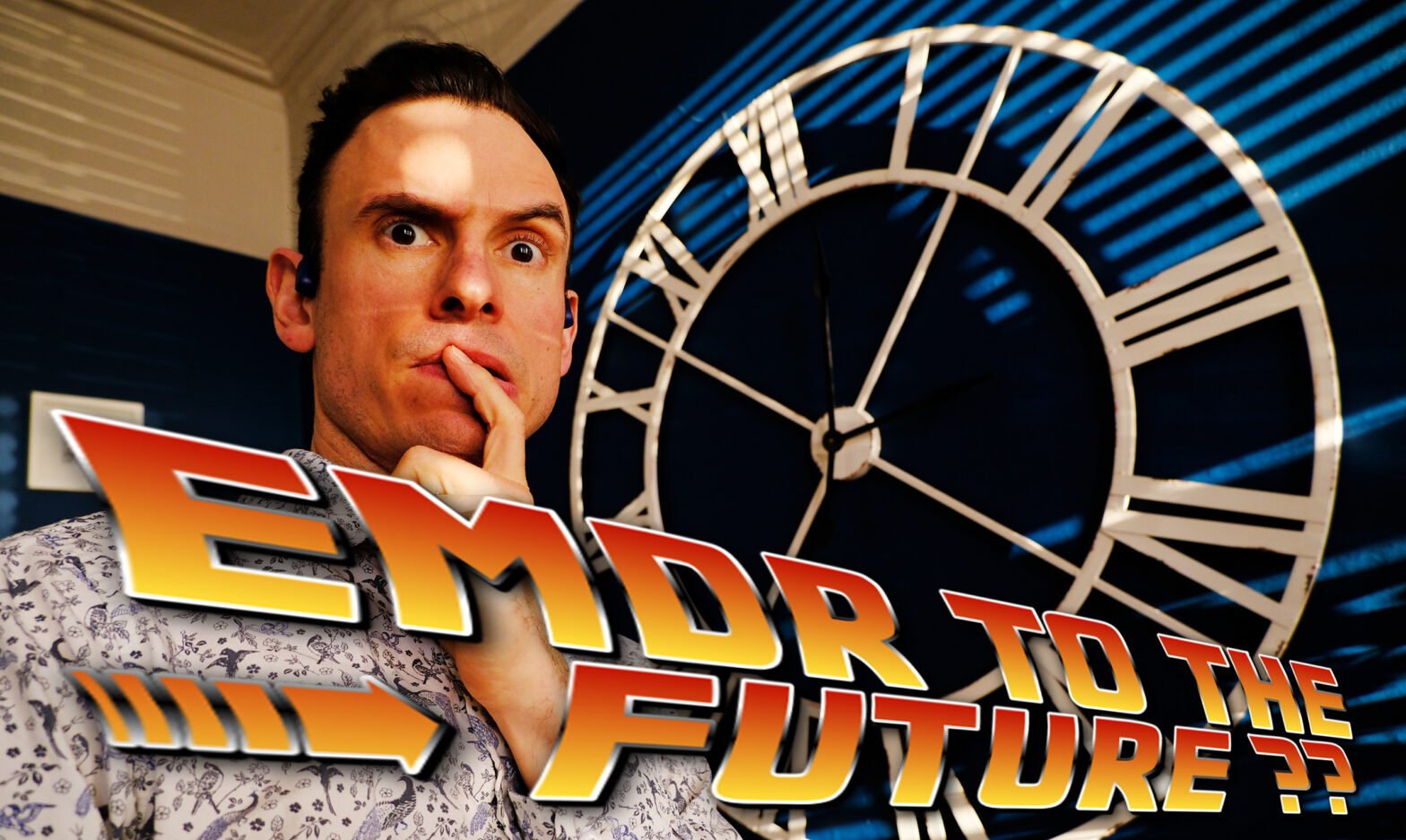
  • Using EMDR to Tackle Future Anxiety: The Flashforward and Future Template Techniques

    Using EMDR to Tackle Future Anxiety: The Flashforward and Future Template Techniques

    When most people think of EMDR (Eye Movement Desensitization and Reprocessing) therapy, they often associate it with healing past traumas. While EMDR is indeed renowned for its transformative power in processing distressing memories, its applications extend far beyond the past. One of its most innovative uses is addressing anxiety and fear about future events through techniques like the Flashforward and Future Template. These approaches empower people to break free from paralysing fear of the unknown and build confidence to face what lies ahead.

    The Flashforward Technique: Facing the Worst-Case Scenario

    What is it? The Flashforward Technique in EMDR is designed to tackle anticipatory anxiety by targeting imagined worst-case scenarios. This technique helps clients confront their fears about what might happen and process the intense emotional response tied to these fears.

    How it works: The therapist begins by supporting the client to imagine the feared future event. This might be a catastrophic failure, a personal loss, or any overwhelming possibility causing distress. Once the worst-case scenario is visualized, the therapist uses bilateral stimulation (such as eye movements or tapping) to process the emotions and reduce the fear’s intensity.

    Why it helps: By addressing the fear at its core, the Flashforward Technique desensitises the individual to the catastrophic imagery, allowing them to think about the future without the same level of dread or avoidance. Clients often report feeling a sense of calm and resilience as well as thinking differently about the future event after engaging in this process.

    The Future Template: Building Confidence for What’s to Come

    What is it? The Future Template prepares clients to handle future situations with confidence and ease. Rather than addressing fears directly, this technique installs a positive and adaptive response to upcoming challenges.

    How it works: The therapist collaborates with the client to imagine a future event where they want to feel empowered and capable. This might be a job interview, public speaking event, a driving test, or even navigating a challenging conversation. Once the scenario is envisioned, we use bilateral stimulation to reinforce positive beliefs and emotions associated with the event. This helps the brain “rehearse” success, strengthening neural pathways that support confidence and competence.

    Why it helps: The Future Template helps clients mentally prepare for upcoming situations by shifting their mindset from fear to empowerment. It replaces self-doubt with positive beliefs like “I am capable” or “I can handle this.” This shift allows clients to approach future events with a sense of readiness and self-assurance.

    Who Can Benefit from These Techniques?

    Both the Flashforward Technique and Future Template are effective for individuals experiencing:

    • Performance anxiety: Fear of public speaking, auditions, or presentations
    • Life transitions: Moving to a new city, starting a new job, or entering a new relationship
    • Anticipatory grief: Anxiety about losing a loved one or other impending challenges
    • Generalized anxiety: Persistent worry about the future

    Combining the Past, Present, and Future in EMDR

    EMDR therapy is unique in the way it addresses past, present, and future concerns. By processing past traumas, clients often find that their present triggers and future fears become less overwhelming. The Flashforward Technique and Future Template take this a step further by directly targeting how individuals perceive the future, ensuring they’re not just free from their past but also equipped to thrive moving forward.

    Final Thoughts

    The future is inherently uncertain, and it is natural to sometimes feel apprehensive about what’s to come. However, with the tools provided by EMDR—particularly the Flashforward Technique and Future Template—individuals can transform their relationship with the future. These techniques address anxiety, replacing it with a sense of calm, confidence, and readiness.

    If you’re struggling with future-focused anxiety or want to explore how EMDR can help, consider EMDR. The journey to a brighter, more empowered future could be just a session away.